‹

›

SIP-5ng AsXSn Cable
SIP-5ng AsXSn Cable
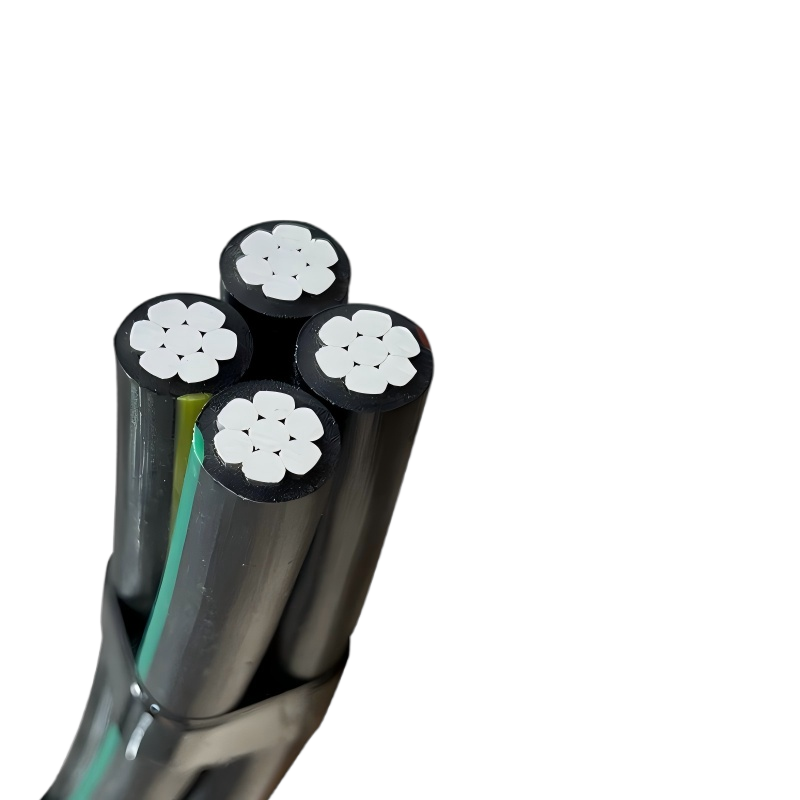
Self-supporting Wire Cable SIP-5ng AsXSn Name: Self-supporting Wire Cable SIP-5ng AsXSn Conductor : Aluminum Conductor Insulation : XLPE Voltage : 0.6/1kV Number of cores: 2-5 cores Package : Export wooden drum & iron wooden drum or as customer require
+8613290249713
+8613290249713
irisqi0722@gmail.com
Contact Us

Product Advantages


SIP-5ng AsXSn Cable Application

SIP-5ng (AsXSn) – self-supporting insulated wire with an aluminum conductive core, insulated from a flame retardant polymer composition, thermoplastic, light-stabilized cross-linked polyethylene. The insulating material is highly resistant to sunlight, (ultraviolet) and ozone.

The carrier is missing. The design of the wire is a bundle of conductive and zero conductors of the right direction with a twisting pitch of no more than 450 mm. The operating voltage of the self-supporting insulated wire is up to 0.6 kV / 1 kV with a frequency of up to 50 Hz. SIP wires are never copper. Its minimum cross-section starts from 16 mm2. The price of the self-supporting insulated wire depends on the cross-section.
The most common sizes of wire cross-section for connection in SIP power grids are 2×25, 4×16, 4×25, 4×35, 4×50, 4×70, 4×95.

Compared to bare power lines (for example, aluminum AC wire), self-supporting insulated wire has a sufficient number of advantages:

– Due to solid insulation, phase-to-phase short circuits and subsequent wire breaks are excluded. Accordingly, on the line there will no longer be such a sad picture as numerous crossings in the spans;
– you can use supports of smaller overall dimensions, for example, instead of the SV-110 and SV-95 supports, take the SV-85 racks. Or even use wooden ones;
– the distances from the self-supporting insulated wire to buildings and structures are reduced in comparison with bare wires, respectively, there are more options for using power lines in dense residential buildings;
– lower losses during transmission of electricity due to low inductive resistance;
– the possibility of laying self-supporting insulated wire on the facades of buildings;

The main characteristic of the insulating material is that it does not support combustion. The SIP-5ng wire in most of its characteristics corresponds to the AsXSn wire produced on European equipment. It is used, similarly to other SIP wires, in the construction of power transmission lines and overhead electric mains.
CONSTRUCTION :

SIP-5ng AsXSn Cable Construction

Twisting: insulated conductive conductors are twisted with a twisting pitch of not more than 45 cm. The twisting has a right direction.
Core material: round aluminum, multi-wire sealed. The wire is made with a cross section of 16-120 mm2. In this case, if the nominal cross-section does not exceed 25 mm2, a right-sided twisting is used, for large sizes – a left-sided one.
Placeholder: none
Screen: none
Armor: none
Core: steel wire
Insulation: light-stabilized cross-linked polyethylene, non-combustible silane-crosslinkable composition based on a copolymer of polyethylene with vinyl acetate.

Deciphering SIP-5ng AsXS:
What does the abbreviation SIP mean? This abbreviation stands for –
S – self-supporting
I – isolated
P – wire (it’s a wire, not a cable as some people mistakenly call it)
ng – not supporting combustion

AsXSn abbreviation in the interpretation of the European version – self-supporting wire (s) with aluminum conductors (A), insulated from “XLPE” resistant to ultraviolet radiation (XS) and flame retardant (n)

SPECIFICATION :

Specifications

Permissible heating temperature of current-carrying conductors during overload mode (up to 8 hours per day)

130°С

Permissible heating temperature of current-carrying conductors in case of short circuit with short circuit current flow up to 5 seconds

250°С

Operating temperature

от -60 °С до +50 °С

Minimum wire laying temperature

-20 °С

Long-term permissible core heating temperature

+90 °С

Minimum bending radius when laying

10 wire diameters

Minimum service life

25 years

PARAMETER :
Mechanical characteristics
Wire nomenclatureNominal conductor diameter, mmOuter wire diameter, mmEstimated weight of 1 km of wire, kgMinimum breaking strength of load-bearing conductors, kN, not lessNominal insulation thickness, mm
Wire SIP-5ng 2×164,816,8138,151,2
Wire SIP-5ng 4×164,820,2276,29,81,2
Wire SIP-5ng 4×25623,4400,515,41,2
Wire SIP-5ng 4×35726,1521,221,51,2
Wire SIP-5ng 4×508,430,9730,830,71,4
Wire SIP-5ng 4×709,834,6983,1431,6
Wire SIP-5ng 4×9511,639,91304,658,41,7
Wire SIP-5ng 4×1201343,61624,473,71,7

Product Display

拼图_美图设计室

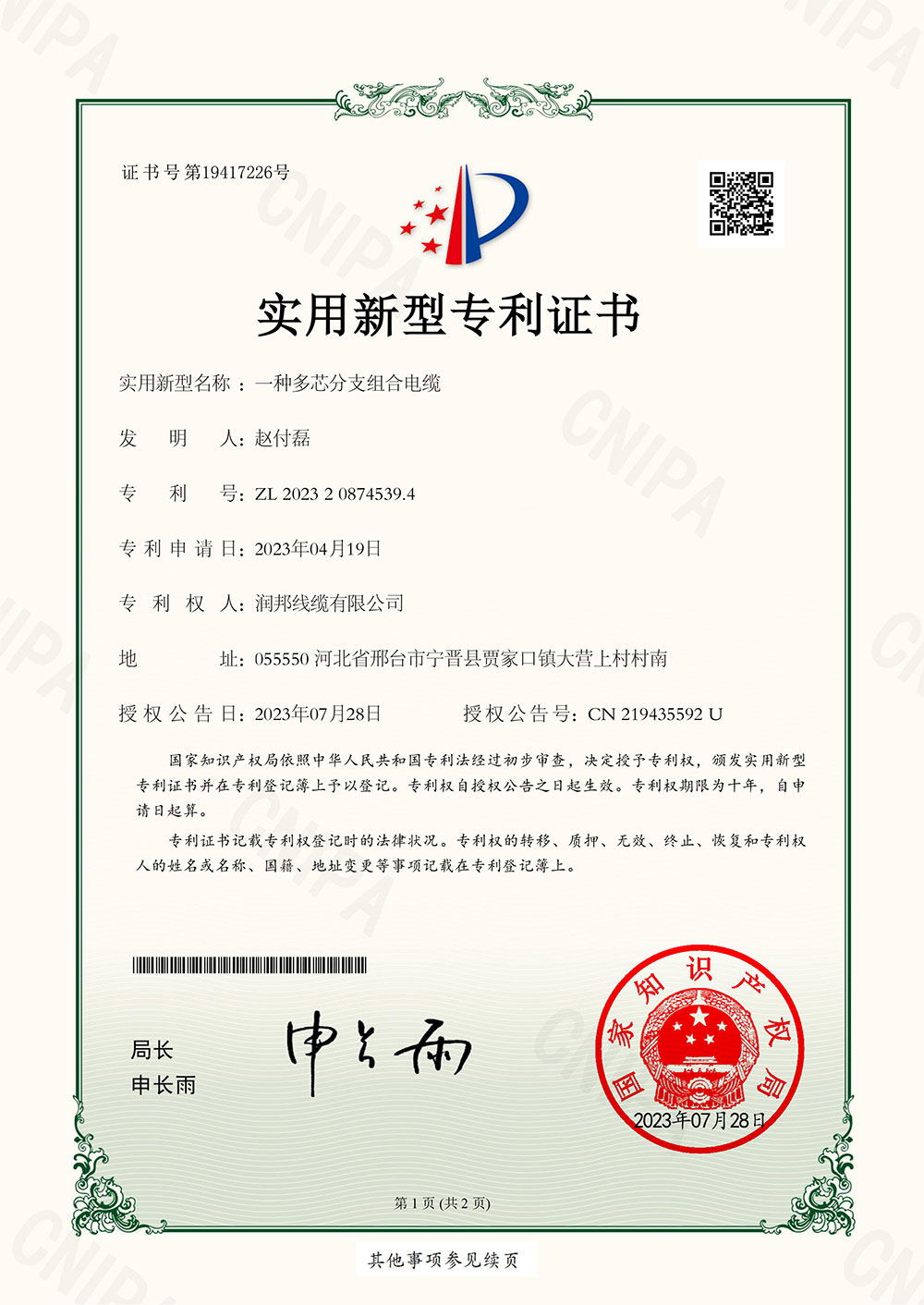
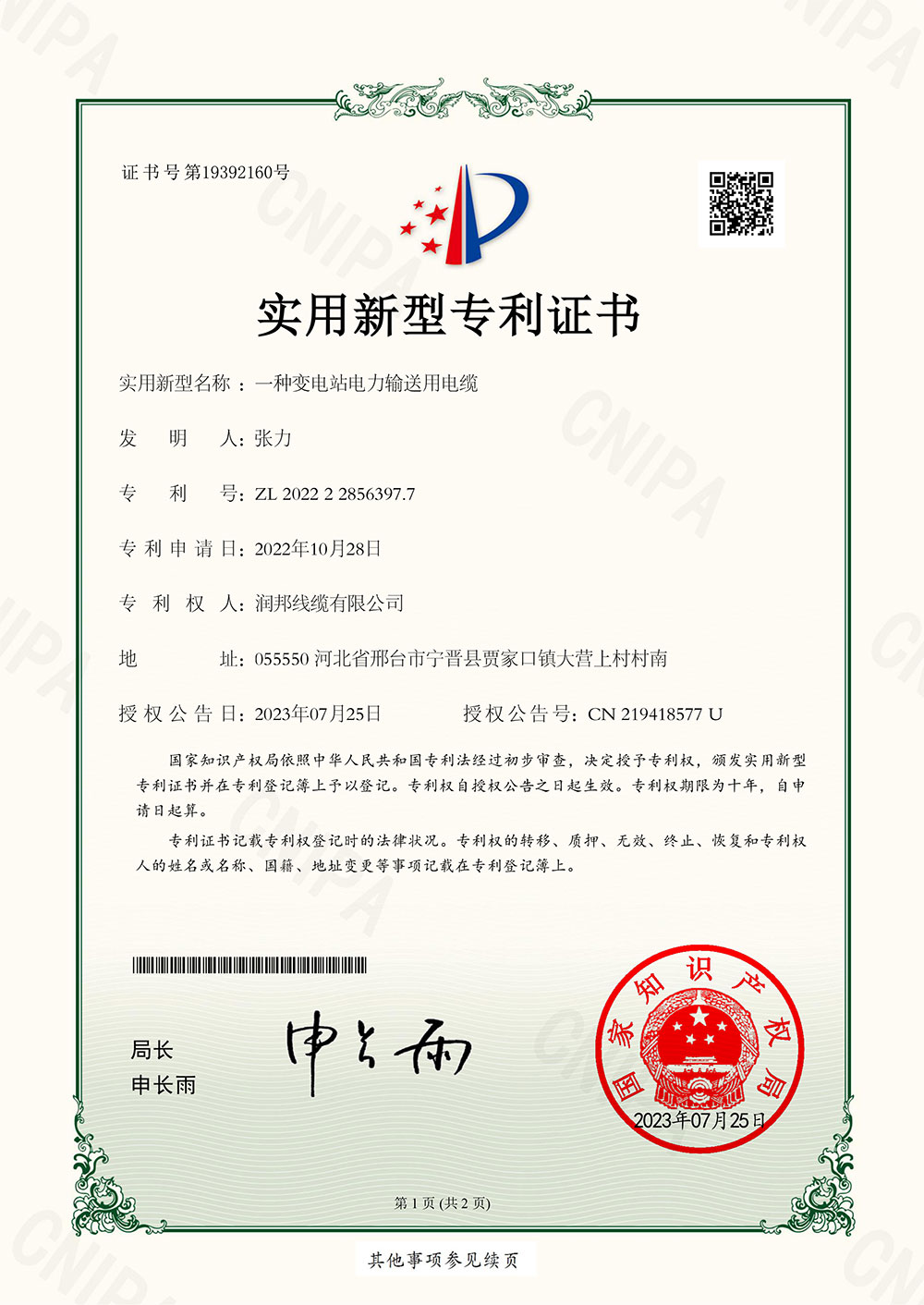
Qualification Certificate

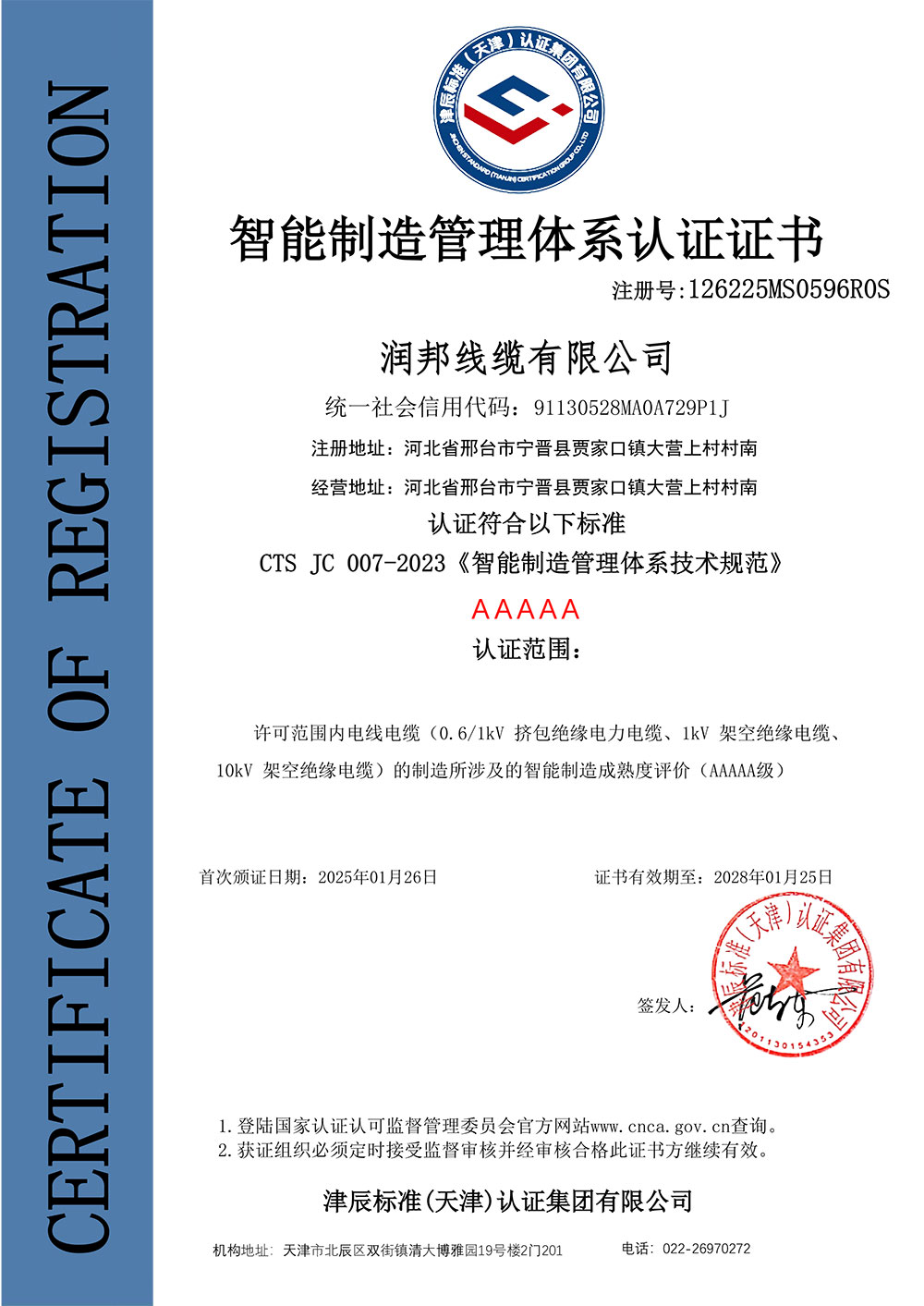
  • 润邦线缆有限公司-智能制造管理体系认证证书-1
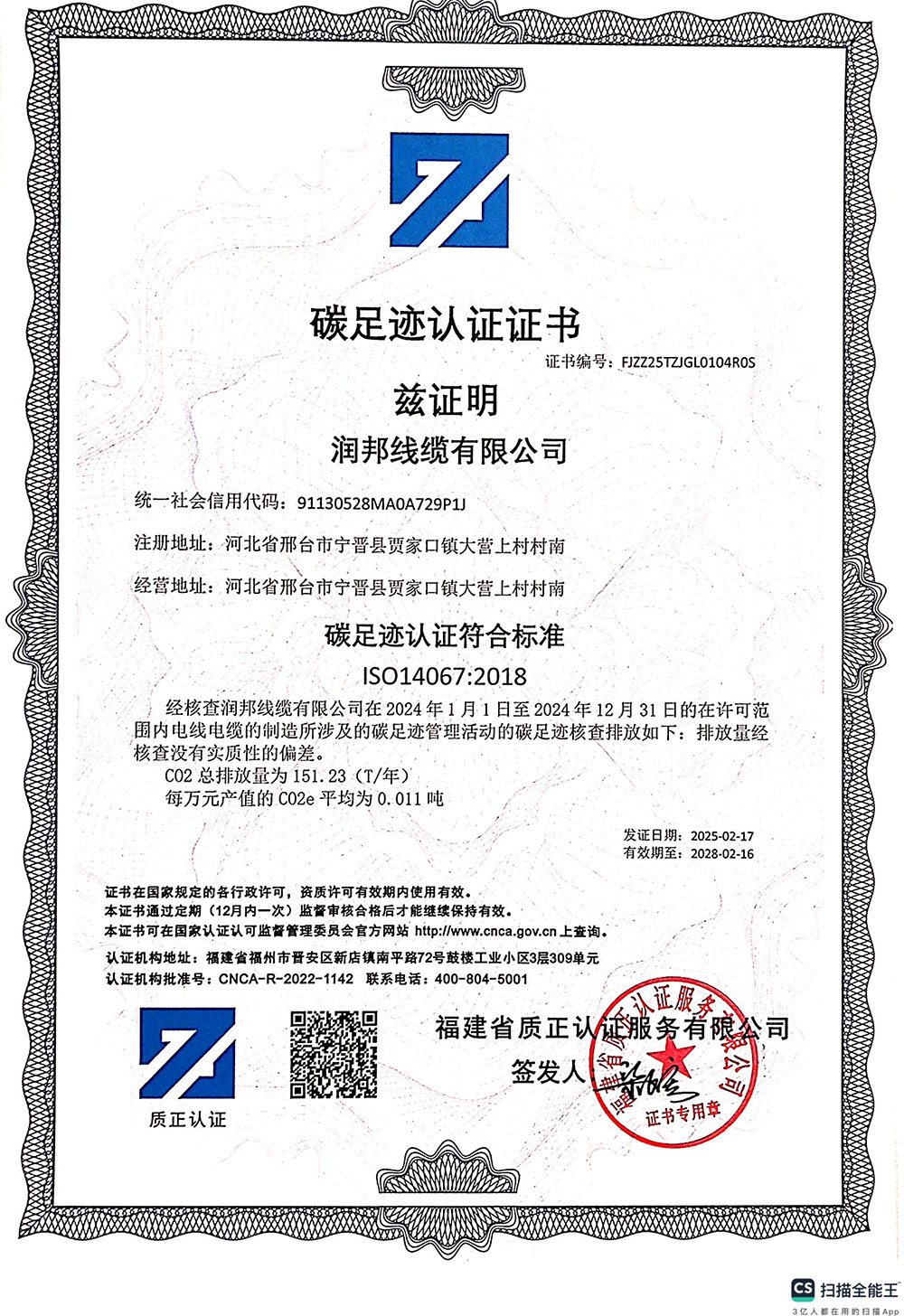
  • 润邦线缆有限公司-碳足迹认证证书
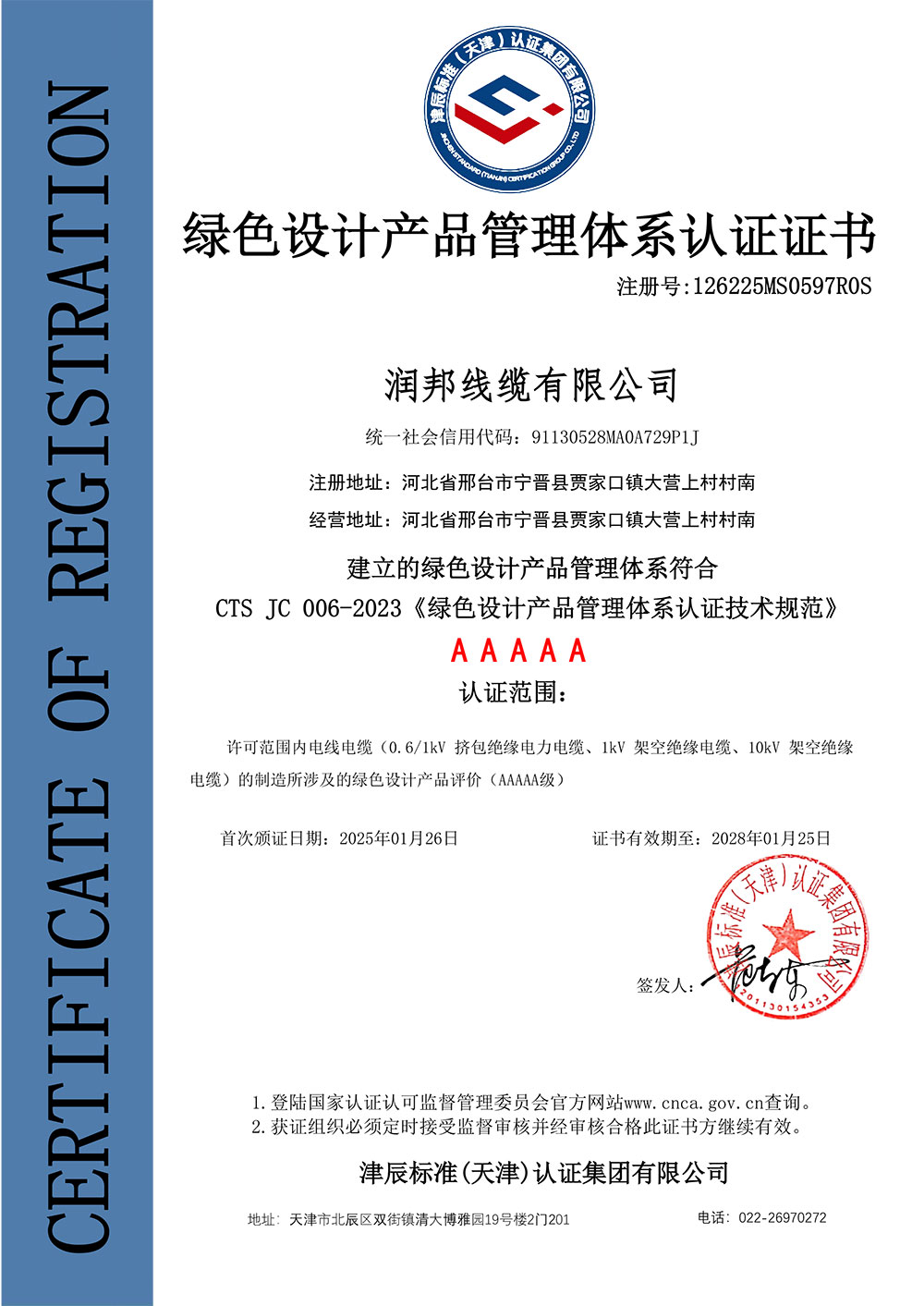
  • 润邦线缆有限公司-绿色设计产品管理体系认证证书-1
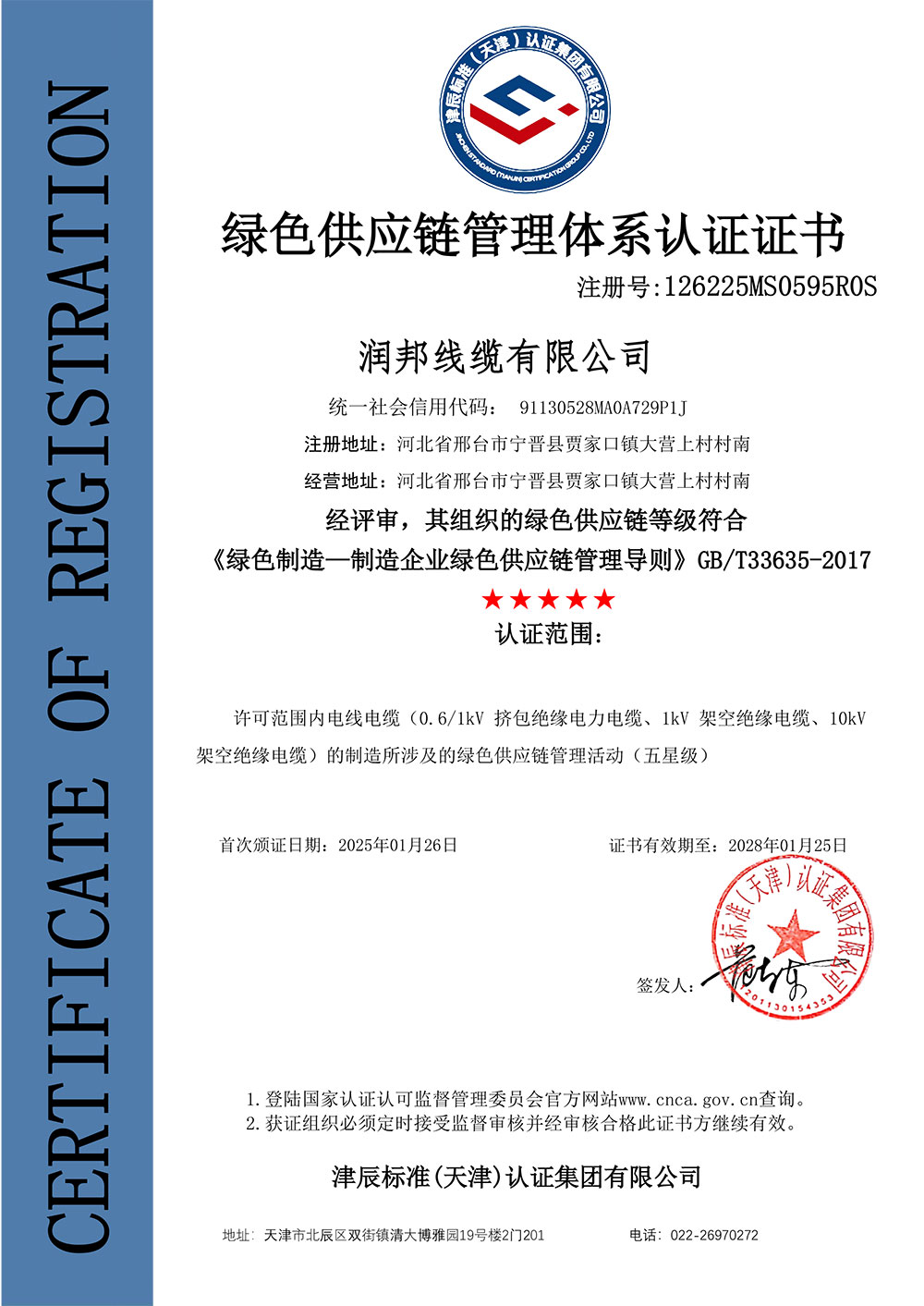
  • 润邦线缆有限公司-绿色供应链管理体系认证证书-1
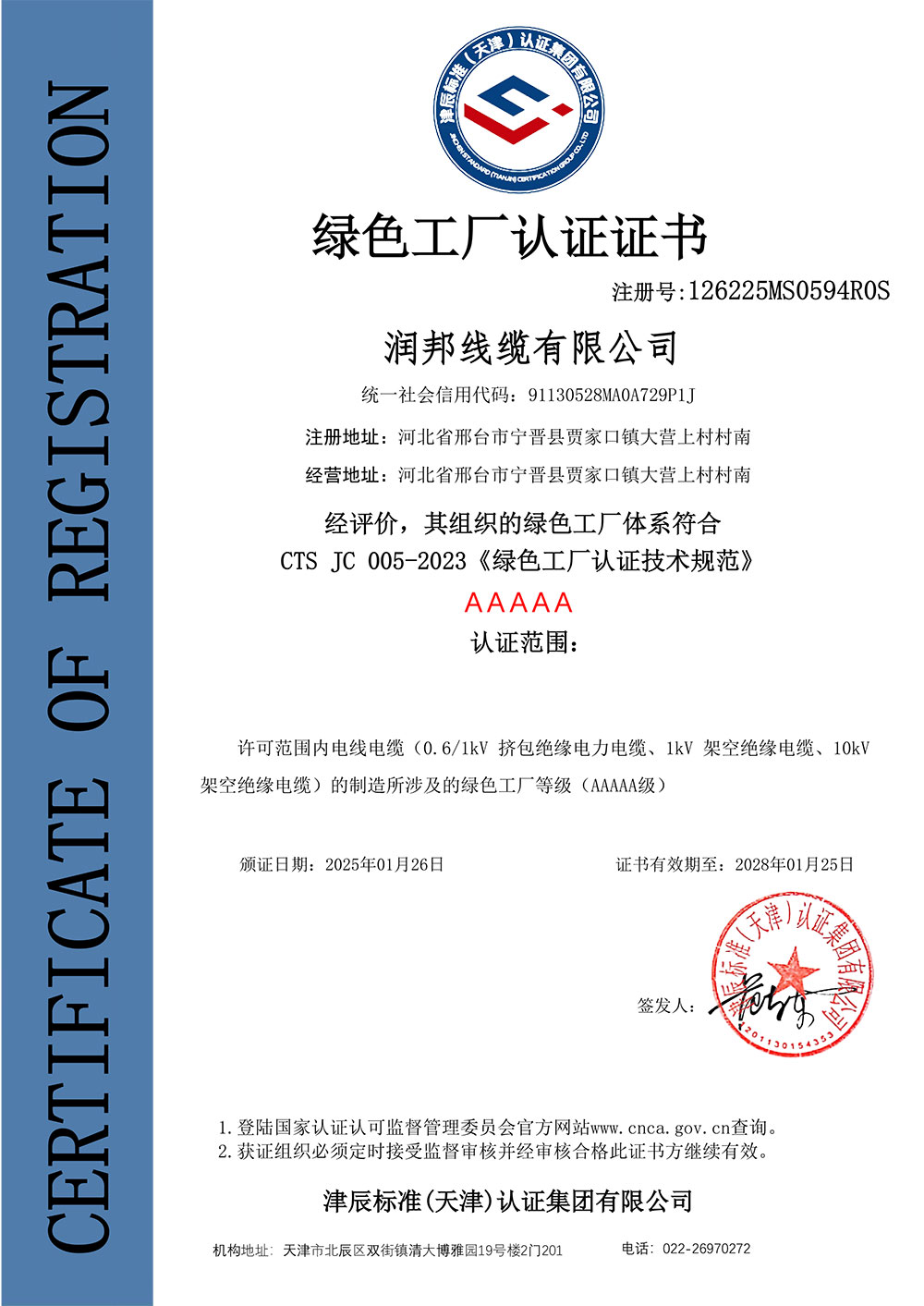
  • 润邦线缆有限公司-绿色工厂认证证书-1
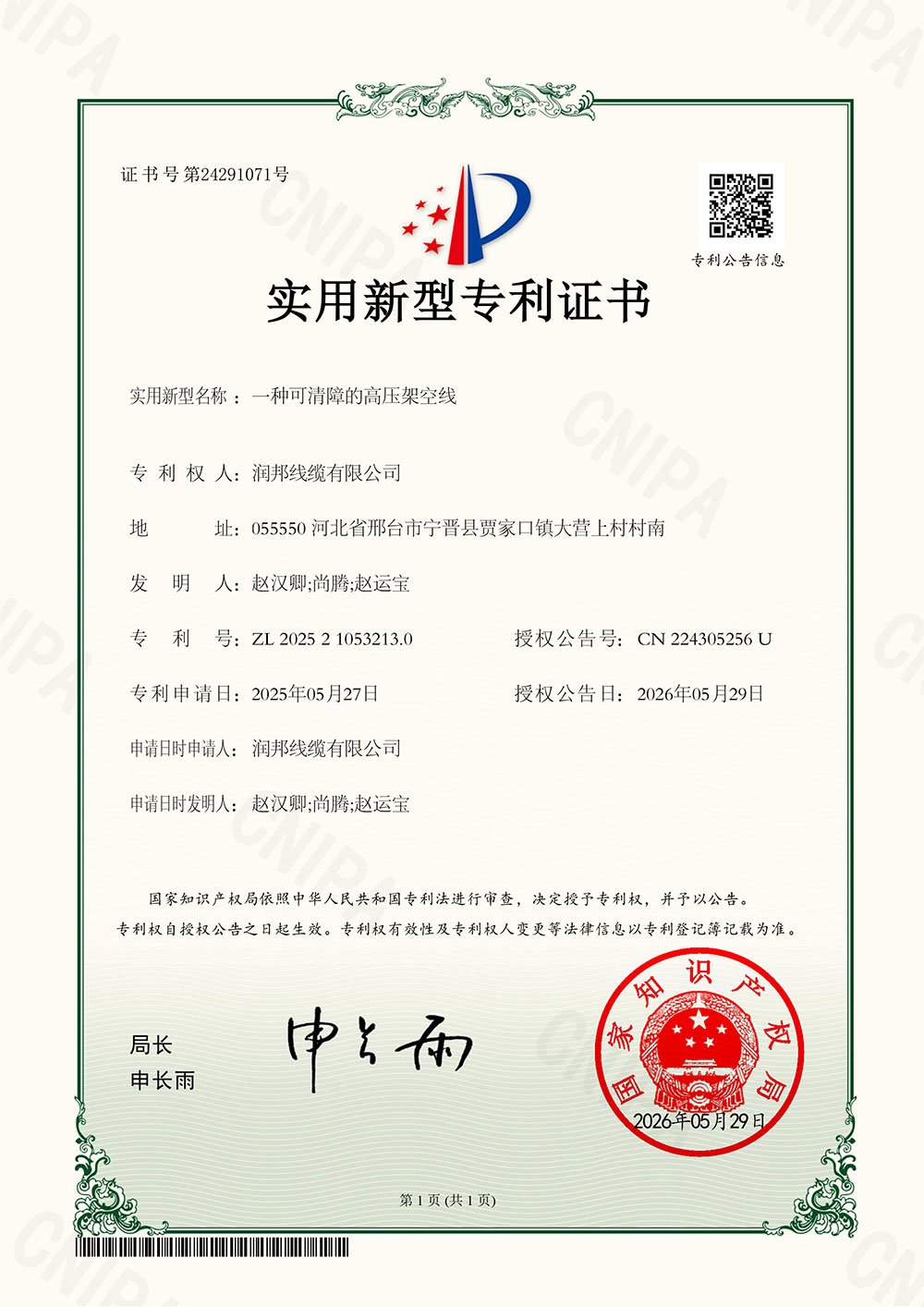
  • 润邦线缆2026.06.01一种可清障的高压架空线
  • 润邦2023208745394一种多芯分支组合电缆
  • 润邦2022228563977一种变电站电力输送用电缆

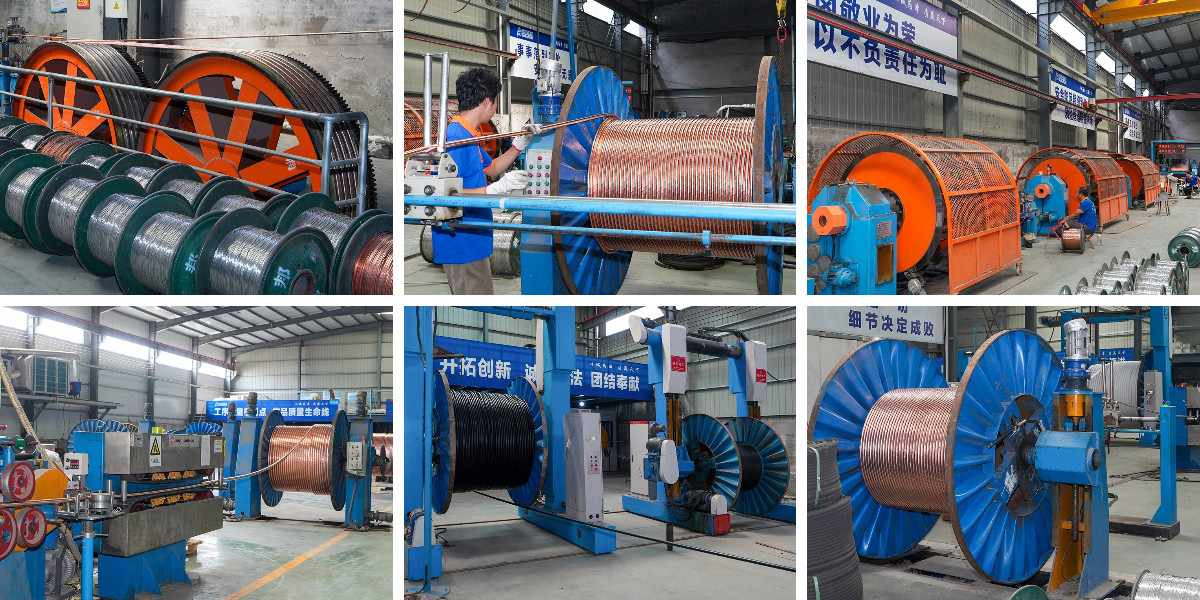
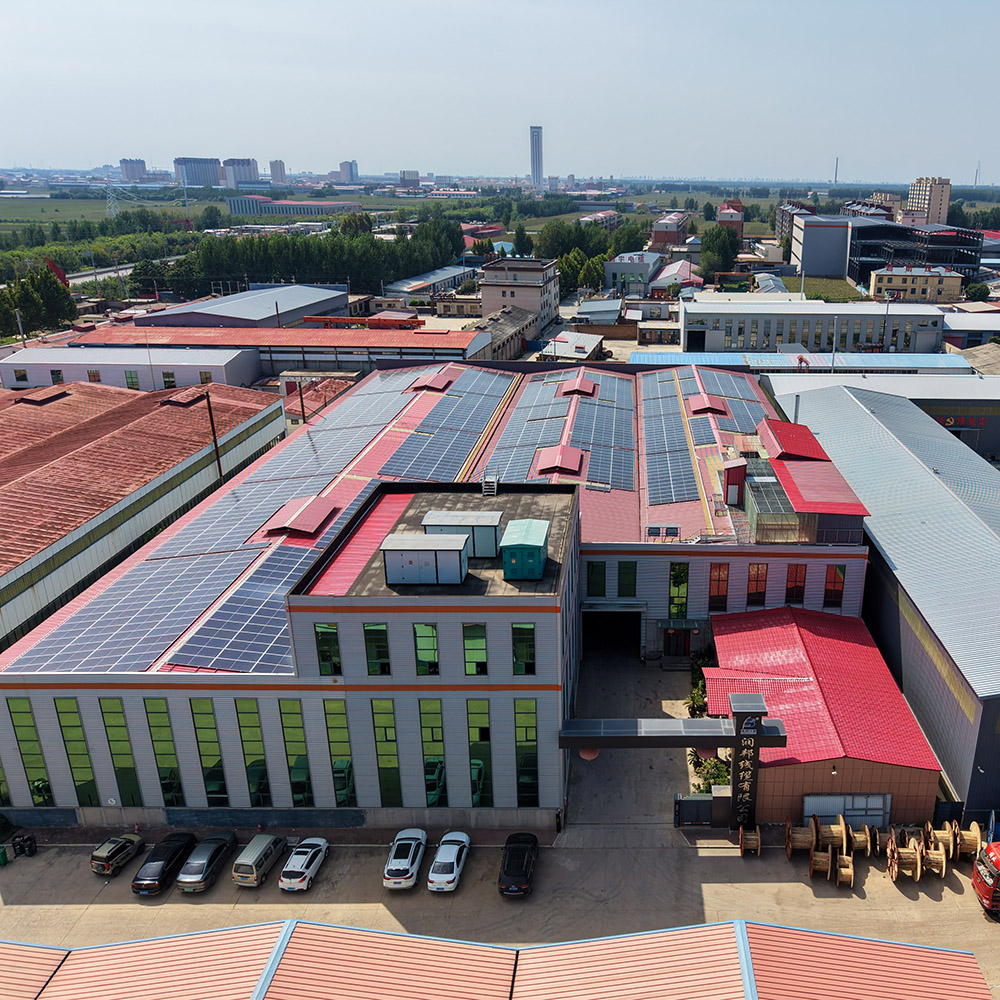
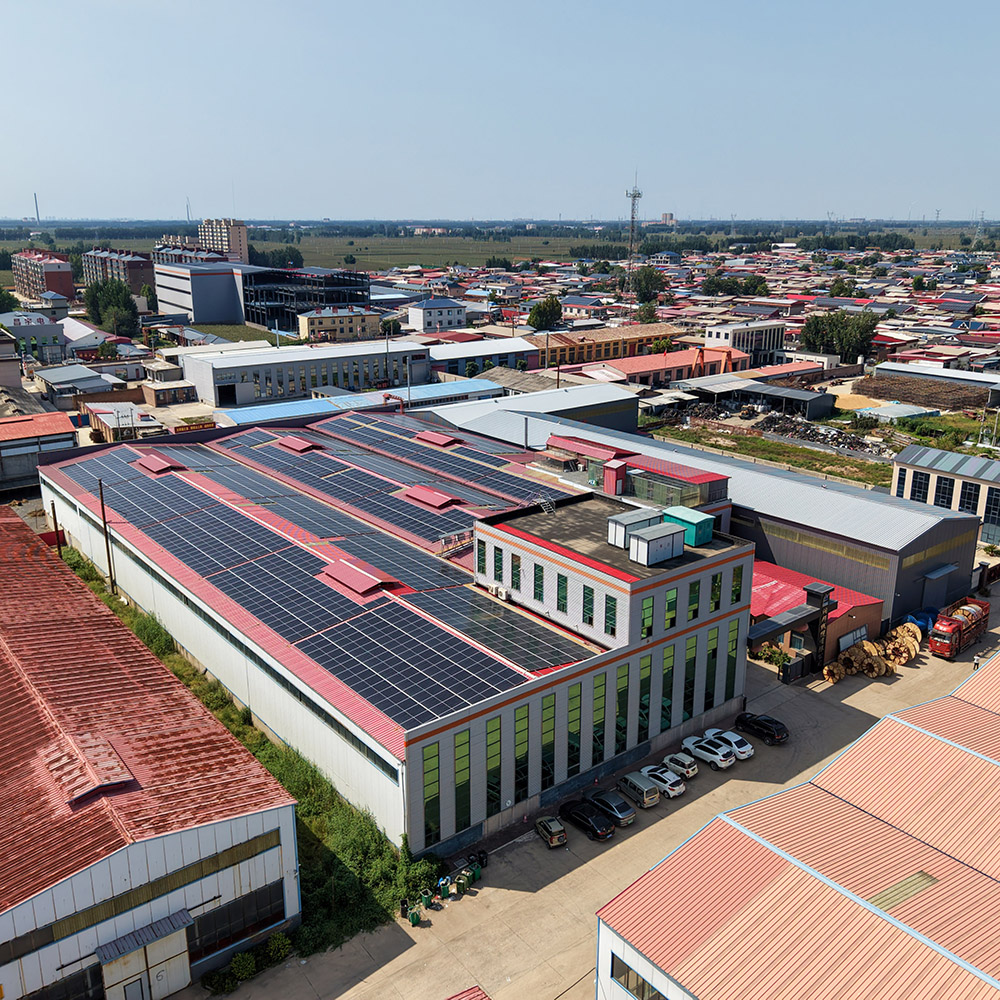
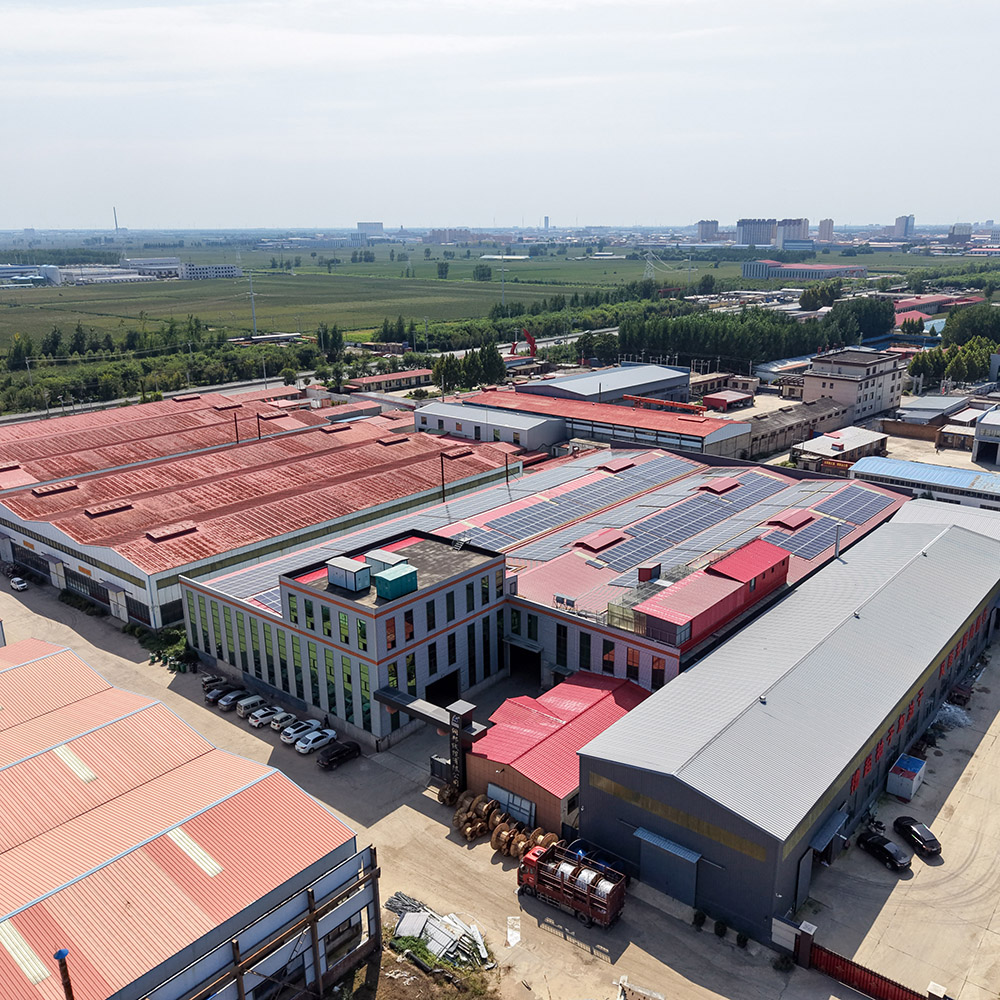
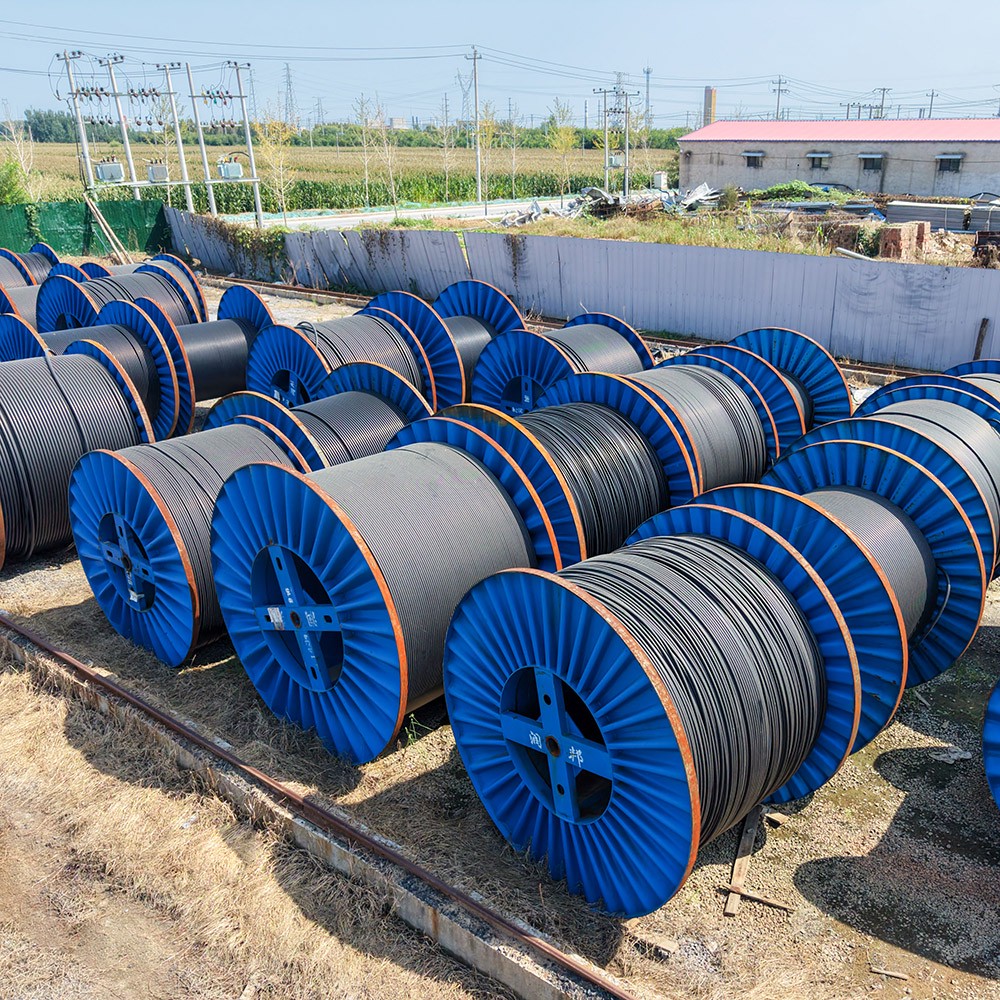
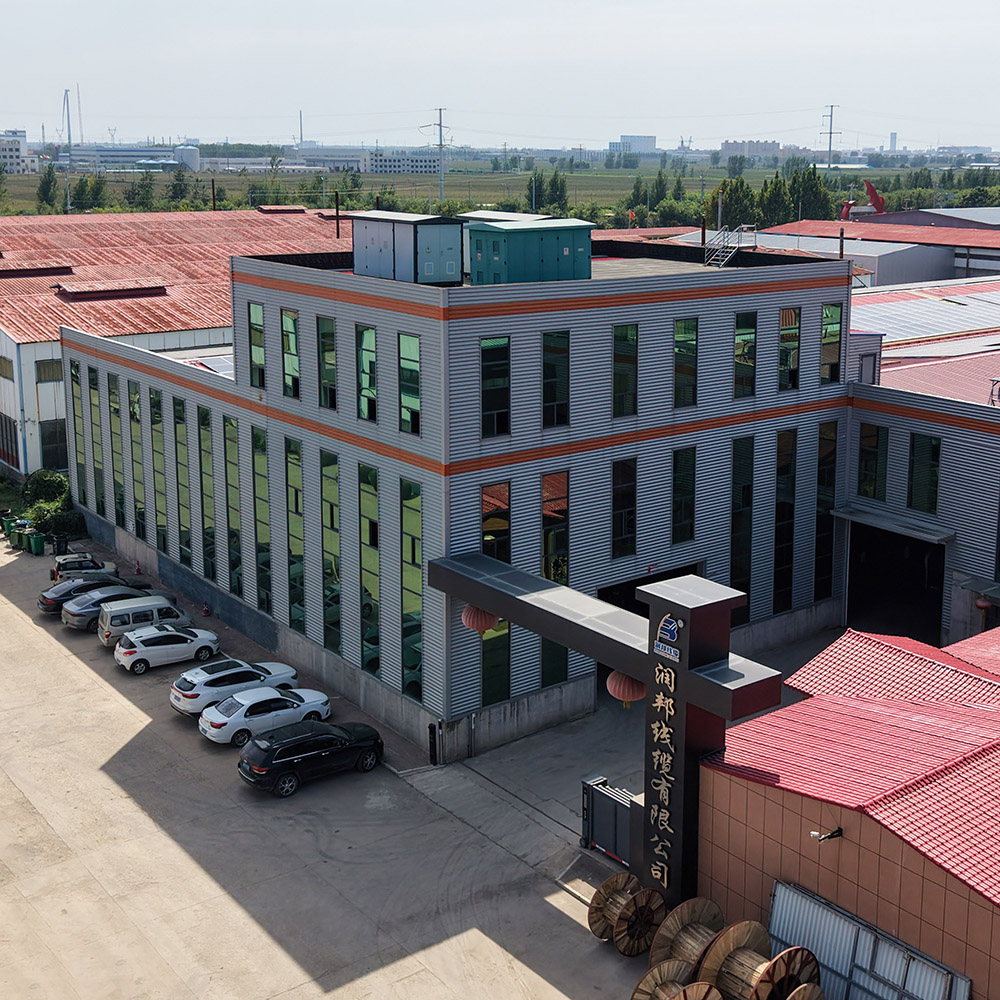
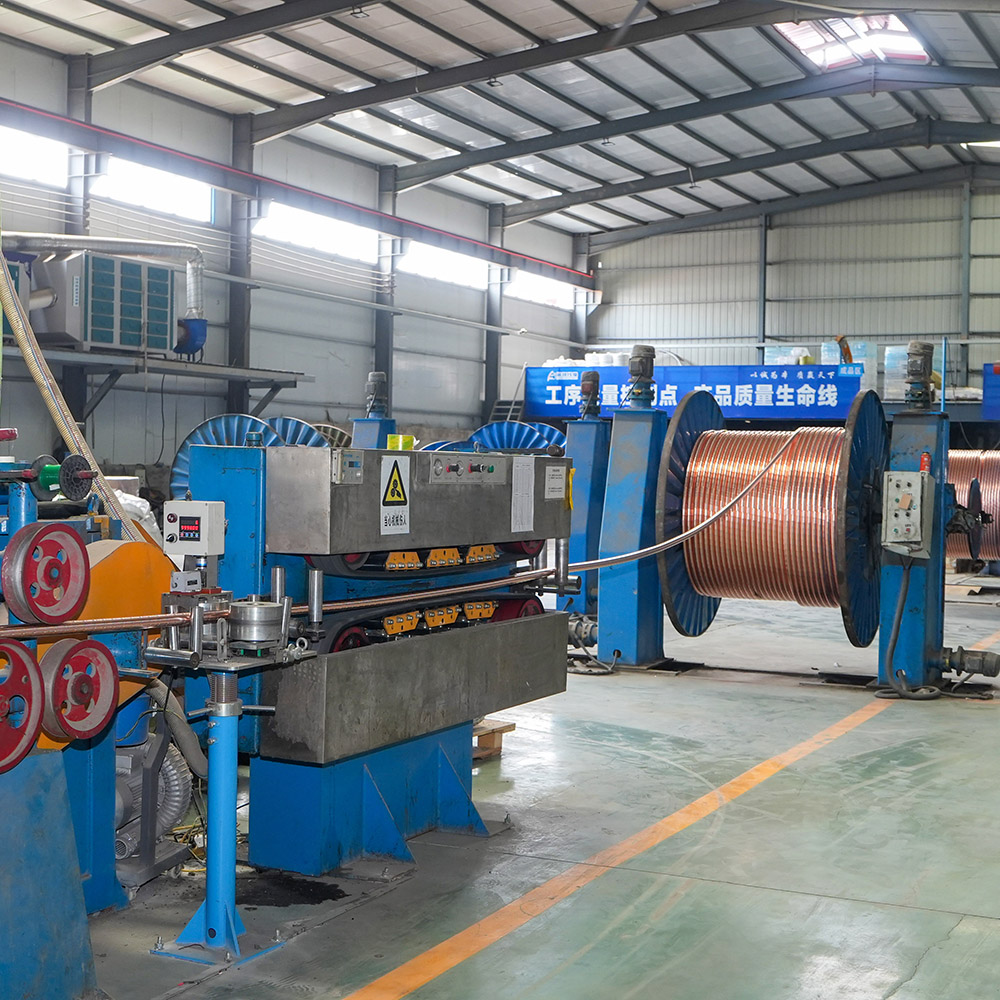
Factory Showcase

  • Z01231
  • Z01238
  • Z01237
  • Z01236
  • Z01233
  • DSC09918

FAQ

01 — What specifications are available for this cable?

We offer different conductor sizes, insulation materials, voltage ratings, core configurations and other specifications according to product type and application requirements. Please contact us for the detailed product specification sheet.


02 — Can this cable be customized?

Yes. Cable specifications can be customized based on your application, installation environment and project requirements. Our team can assist with conductor size, insulation, sheath, voltage rating, color, length and other requirements.


03 — What standards does this cable comply with?

Our cable products can be manufactured according to applicable international and regional standards depending on the product and customer requirements. Please confirm the required standard with our sales team before placing an order.


04 — Can you provide samples before bulk orders?

Yes. Samples may be available for evaluation depending on the product type and specifications. Please contact us with your required model and specifications so we can confirm sample availability.


05 — What is the minimum order quantity?

MOQ depends on the cable type, specifications and production requirements. Please contact us with your required quantity and specifications for a specific quotation.


06 — How long is the production lead time?

Production lead time depends on product specifications, order quantity and current production schedules. We will confirm the estimated delivery time when providing the quotation.


Contact Us

Submit

Related products

DC001

DC001

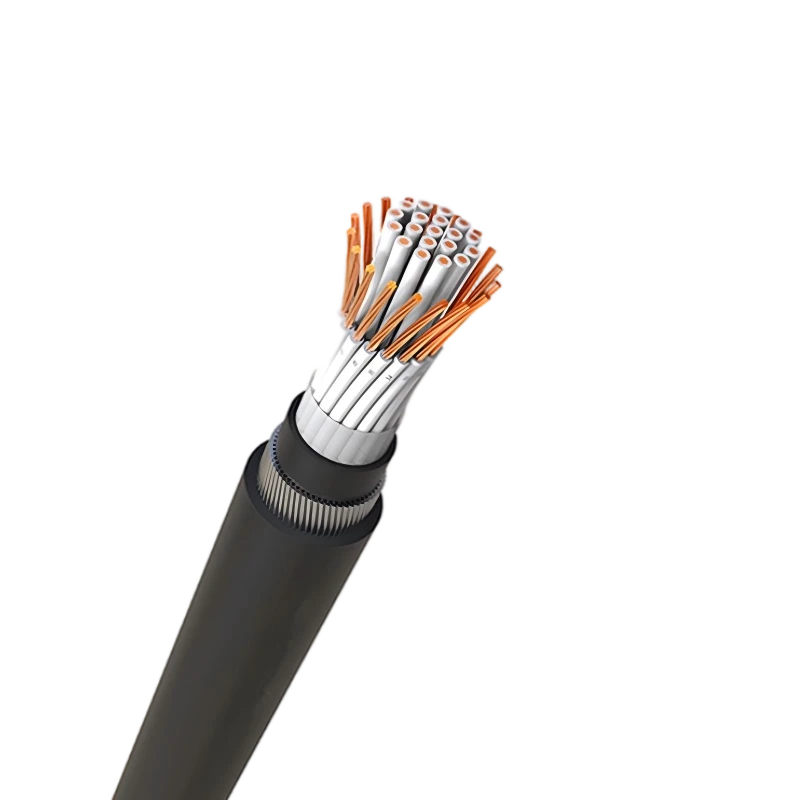
A cable is a device for transmitting electrical energy or signals, consisting of one or more mutually insulated conductors enclosed within a protective insulating layer. Typically formed by twisting together several wires or groups of wires, it features a design that conducts electricity internally while providing external insulation, and is widely used in power transmission, information and communication, industrial control, and the interconnection of various electronic devices.
DC003

DC003

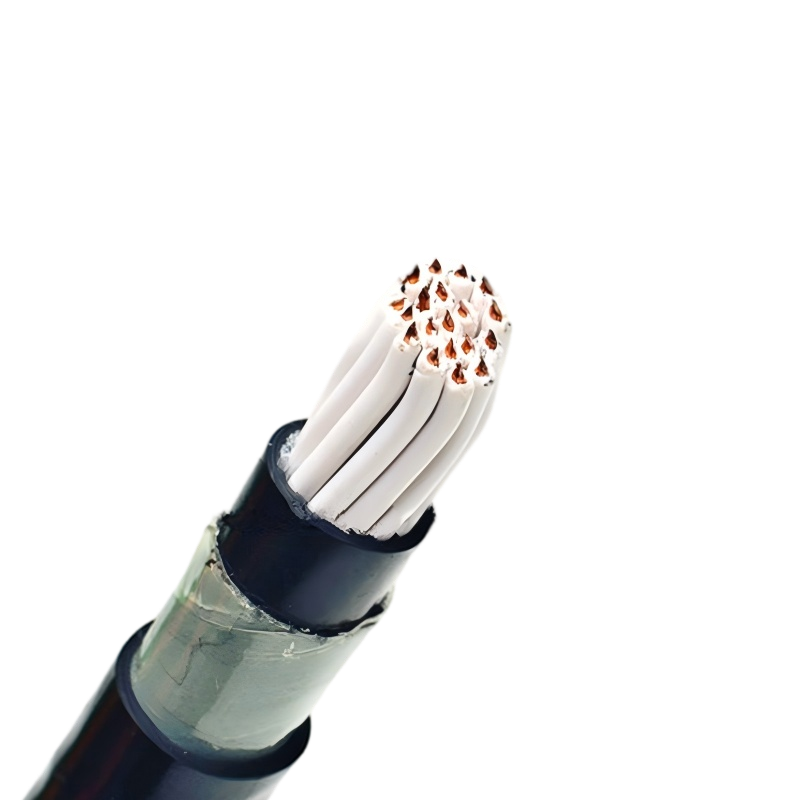
A cable is a device for transmitting electrical energy or signals, consisting of one or more mutually insulated conductors enclosed within a protective insulating layer. Typically formed by twisting together several wires or groups of wires, it features a design that conducts electricity internally while providing external insulation, and is widely used in power transmission, information and communication, industrial control, and the interconnection of various electronic devices.

DC004

DC004

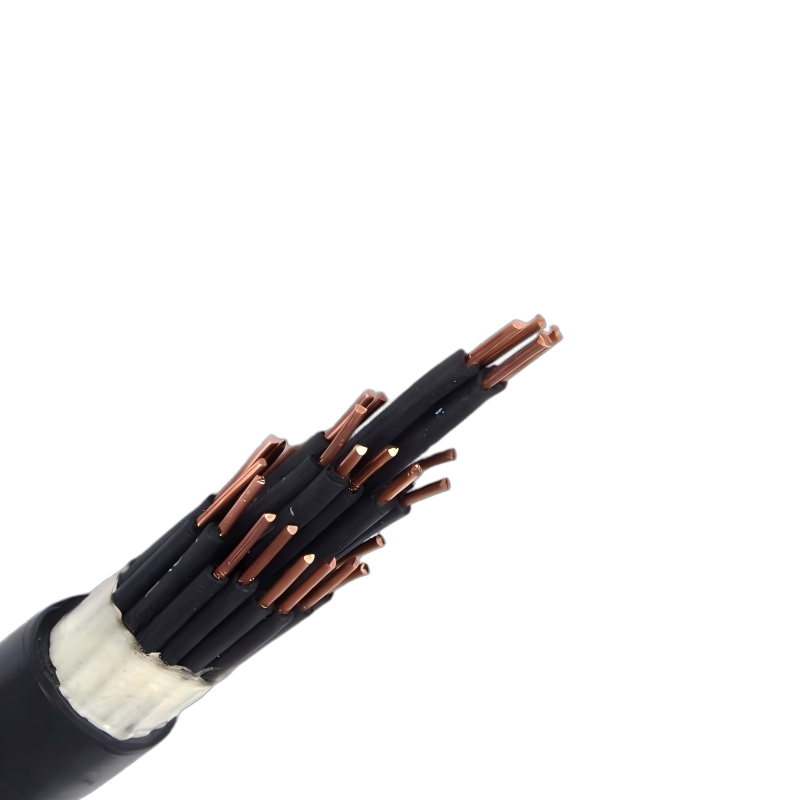
A cable is a device for transmitting electrical energy or signals, consisting of one or more mutually insulated conductors enclosed within a protective insulating layer. Typically formed by twisting together several wires or groups of wires, it features a design that conducts electricity internally while providing external insulation, and is widely used in power transmission, information and communication, industrial control, and the interconnection of various electronic devices.

DC005

DC005

A cable is a device for transmitting electrical energy or signals, consisting of one or more mutually insulated conductors enclosed within a protective insulating layer. Typically formed by twisting together several wires or groups of wires, it features a design that conducts electricity internally while providing external insulation, and is widely used in power transmission, information and communication, industrial control, and the interconnection of various electronic devices.

DC006

DC006

A cable is a device for transmitting electrical energy or signals, consisting of one or more mutually insulated conductors enclosed within a protective insulating layer. Typically formed by twisting together several wires or groups of wires, it features a design that conducts electricity internally while providing external insulation, and is widely used in power transmission, information and communication, industrial control, and the interconnection of various electronic devices.

DC0011

DC0011

A cable is a device for transmitting electrical energy or signals, consisting of one or more mutually insulated conductors enclosed within a protective insulating layer. Typically formed by twisting together several wires or groups of wires, it features a design that conducts electricity internally while providing external insulation, and is widely used in power transmission, information and communication, industrial control, and the interconnection of various electronic devices.

DC0013

DC0013

A cable is a device for transmitting electrical energy or signals, consisting of one or more mutually insulated conductors enclosed within a protective insulating layer. Typically formed by twisting together several wires or groups of wires, it features a design that conducts electricity internally while providing external insulation, and is widely used in power transmission, information and communication, industrial control, and the interconnection of various electronic devices.

DC0018

DC0018

A cable is a device for transmitting electrical energy or signals, consisting of one or more mutually insulated conductors enclosed within a protective insulating layer. Typically formed by twisting together several wires or groups of wires, it features a design that conducts electricity internally while providing external insulation, and is widely used in power transmission, information and communication, industrial control, and the interconnection of various electronic devices.

High Voltage Cable

High Voltage Cable

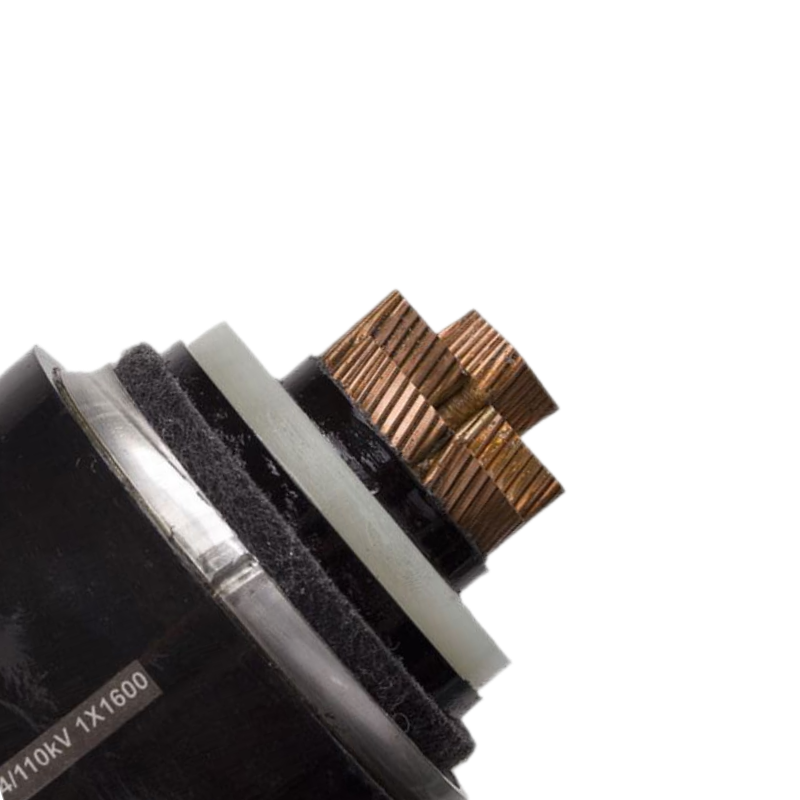
High voltage cables suitable for a variety of applications, from powering homes and businesses to large-scale industrial operations. Knowing how these cables work and understanding their various components is essential for anyone looking to install or maintain them.

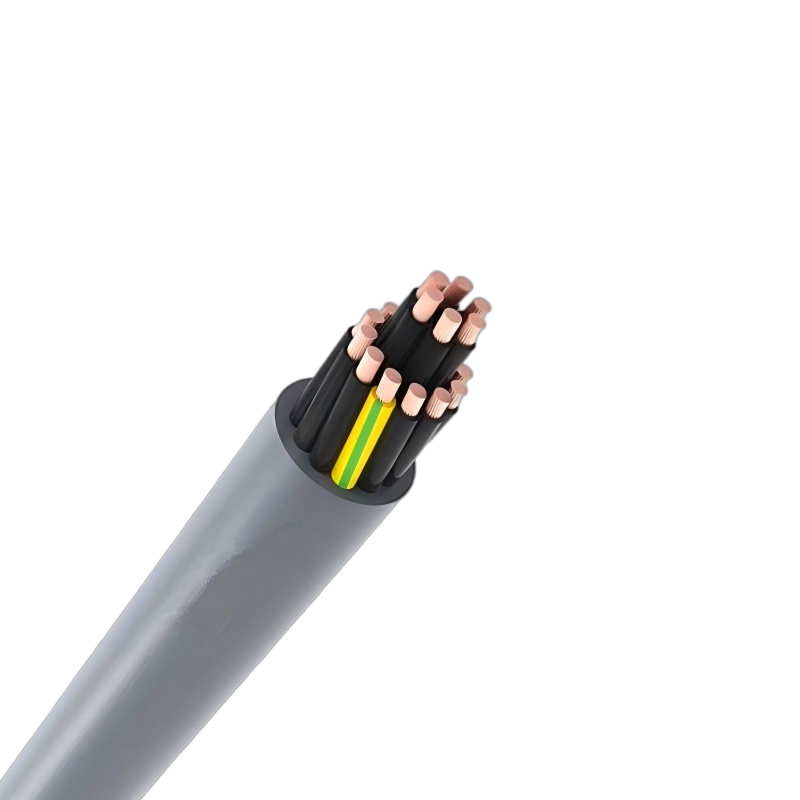
YSLY Control Cable

YSLY Control Cable

PVC Insualted Control Cable Voltage Rating: 300/500V Conductor: soft annealed copper,class 5 Insulation: PVC Sheath: PVC

Solar Cables

Solar Cables

Widely used for electrical installation of indoor and outdoor solar energy equipment.

6 / 20